
Castillo de San Marcos National Monument

The History
A Fort Built to Last
Spain had a problem in Florida. Wooden forts kept burning down. Sir Francis Drake torched St. Augustine in 1586. Pirate John Davis raided it again in 1668. The Spanish crown finally approved a permanent stone fortress, and construction began in 1672. Workers finished it in 1695. The result was Castillo de San Marcos, the oldest masonry fort in the continental United States, and it still stands today on the western shore of Matanzas Bay in St. Augustine.
The builders made a smart choice of material. They used coquina, a soft, shell-based limestone quarried locally along Florida’s northeast coast. Coquina does not crack or shatter under cannon fire. It absorbs and deflects the impact instead. That quirk saved the fort more than once.
In 1702, British forces under General Moore burned St. Augustine to the ground. They could not touch the Castillo’s walls. The fort held. It always held. Nobody ever took this place by force. Every change of hands came through treaty or military agreement, not conquest.
From Spanish Hands to American Ones
The Castillo changed flags several times over the centuries. Spain handed it to Britain after the French and Indian War. Britain handed it back to Spain after the American Revolution. Spain then signed the Adams-Onis Treaty in 1821 and gave Florida to the United States altogether. The Americans renamed the fort Fort Marion and put it to use housing prisoners during the Second Seminole War. The Civil War brought more military activity. So did the Spanish-American War in 1898. The Army decommissioned the fort in 1900.
Congress designated it a National Monument in 1924. Then in 1942 they restored the original Spanish name: Castillo de San Marcos. The National Park Service manages it today.
What You Are Looking At
The fort’s star-shaped design was standard European military architecture for the era. Defenders could cover multiple angles of approach with overlapping fire from the bastions. The walls rise 33 feet high and run 12 feet thick. A now-dry moat wraps around the exterior.
Inside, historic storerooms ring a central courtyard. Each room holds exhibits covering different chapters of the fort’s long story: Spanish colonial life, British occupation, American military use, and the experiences of the Native American and African communities whose histories connect to this place. The NPS does not shy away from the complicated parts, which makes the exhibits worth slowing down for.
St. Augustine itself adds to the visit. Pedro Menendez founded the city in 1565, making it the oldest continuously occupied European settlement in the United States. The Castillo sits right on the bayfront in the middle of the historic district, so exploring both on the same day is a natural fit.
Know Before You Go
- Region: Southeast United States / Northern Florida
- Location: 1 South Castillo Drive, St. Augustine, FL 32084 — situated on the bayfront in the heart of historic downtown St. Augustine. Paid parking is available on site.
- Coordinates: 29.89778, -81.31139
- Costs: $15 per adult (ages 16 and older). Free for ages 15 and under. Your America the Beautiful pass covers entry if you have one.
- Schedule: Open daily 9:00 a.m. to 5:00 p.m. Check NPS site for closures and most up to date schedules.
- Attraction Type: National Monument
- Additional Resources: National Park Service – Castillo de San Marcos
My Visit
This one came together on the recommendation of my brother and sister-in-law. I was visiting family in Florida and they suggested we make a day of it up in St. Augustine. So we loaded up the whole crew, my mom included, and made the couple hour drive north. A full family outing, which is a different kind of adventure than my usual solo wandering, but a great one.
St. Augustine earns its reputation. The historic district alone could fill a full day without much effort, and we hit a good number of stops throughout the city. The Castillo was one of them, and honestly it was a highlight.
Standing inside the fort puts things in perspective fast. The rooms are small. The walls are thick. The people who lived and worked inside this place had almost nothing by modern standards, and yet they built something that has outlasted nearly everything else from that era on this continent. That never stops being striking to me. You walk through those storerooms and think about the soldiers stationed here, far from home, in a foreign land, in a fort made of shells. It is a humbling thing to stand in the middle of.
The gun deck up top is worth the climb. The views over Matanzas Bay are excellent, and if your timing is right on a weekend you can catch one of the cannon demonstrations, which are genuinely impressive. The rangers do a solid job bringing the history to life.
If you find yourself in Florida with family and are looking for a day trip that gives everyone something to chew on, St. Augustine and the Castillo are a easy answer. Make a full day of it. You will not run out of things to see.
Photos From My Visit


Castillo de San Marcos is the oldest masonry fort in the country and one of those places that puts the age of American history in perspective, with 350 years of standing while everything around it changed. If you want more national park units from real visits, there are several others in the Places section.
Casa Grande Ruins National Monument goes even further back, a mysterious four-story Hohokam structure in the Arizona desert built over 650 years ago with no clear explanation of its purpose. Fort Bowie National Historic Site is a very different kind of fort with no road access, just a trail through Apache Pass to ruins in the mountains of southern Arizona. Monument Rocks National Monument is a geological surprise in the Kansas plains, with ancient chalk formations that feel wildly out of place and are free to visit.
If you want to see everything in the National Park Units section, the full list is here.
The newsletter is where I share the extra stuff: finds, trip notes, and places that do not always make it to the blog. Subscribe on Substack if you want to follow along.
National Park Adventures

The Superstition Wilderness has a way of mesmerizing you with its mystery and its beauty. These mountains sit just east of Phoenix, close enough that you can see…

Day one ended in Sedona. Day two started early, because we had a long way to go and two of the biggest stops on the whole trip waiting…
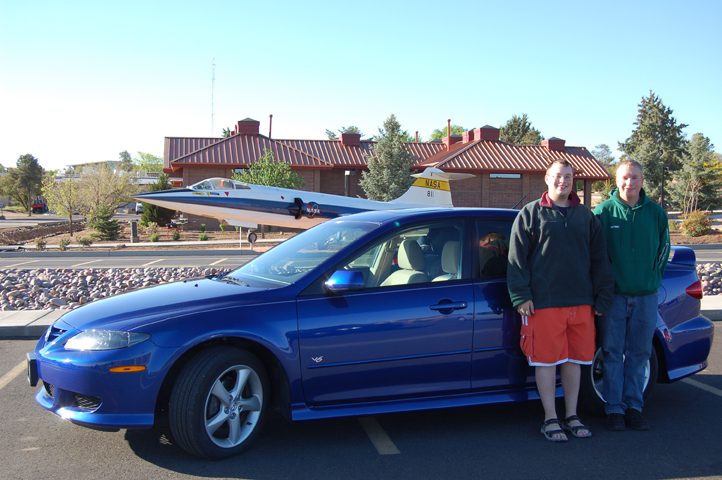
In the spring of 2006 my brother Alex and I loaded up his Mazda 6 in Arizona and drove home. Not the fast way. The long way, through…

Indiana Dunes National Park had been on the list for a while. A couple of hours from central Illinois, it felt close enough to do in a day…