
Every summer growing up I spent a week with my grandparents, splitting the time between both sides of the family. My mom’s parents lived out on the farm. My dad’s parents lived in town. Both visits had their own rhythm, but the farm is the one that stayed with me.
Grammy and Granddad were up early every morning without fail, the radio tuned to KFMA on the AM band for the farm reports. Lunch at noon. Dinner at five. Decades of Iowa farm life had built a schedule so deeply into their days that it held long after farming had stopped being a daily requirement. The structure was just part of who they were.
Iowa Farm Stories and the Drives That Carried Them
When we were not keeping busy around the farm, Granddad and I would go fishing. We would climb into his old Chevy pickup, a truck that was exactly as old as it looked but cared for the way you care for something you depend on. It was full of road dust and the particular smell of a working farm, layers of corn and bean dust built up over decades into something that could not be cleaned out no matter how you tried. The truck still looked exactly as it did the day he bought it. Just with a few more years of country road on the inside.
The fishing trips were good. But what I remember most are the stories.
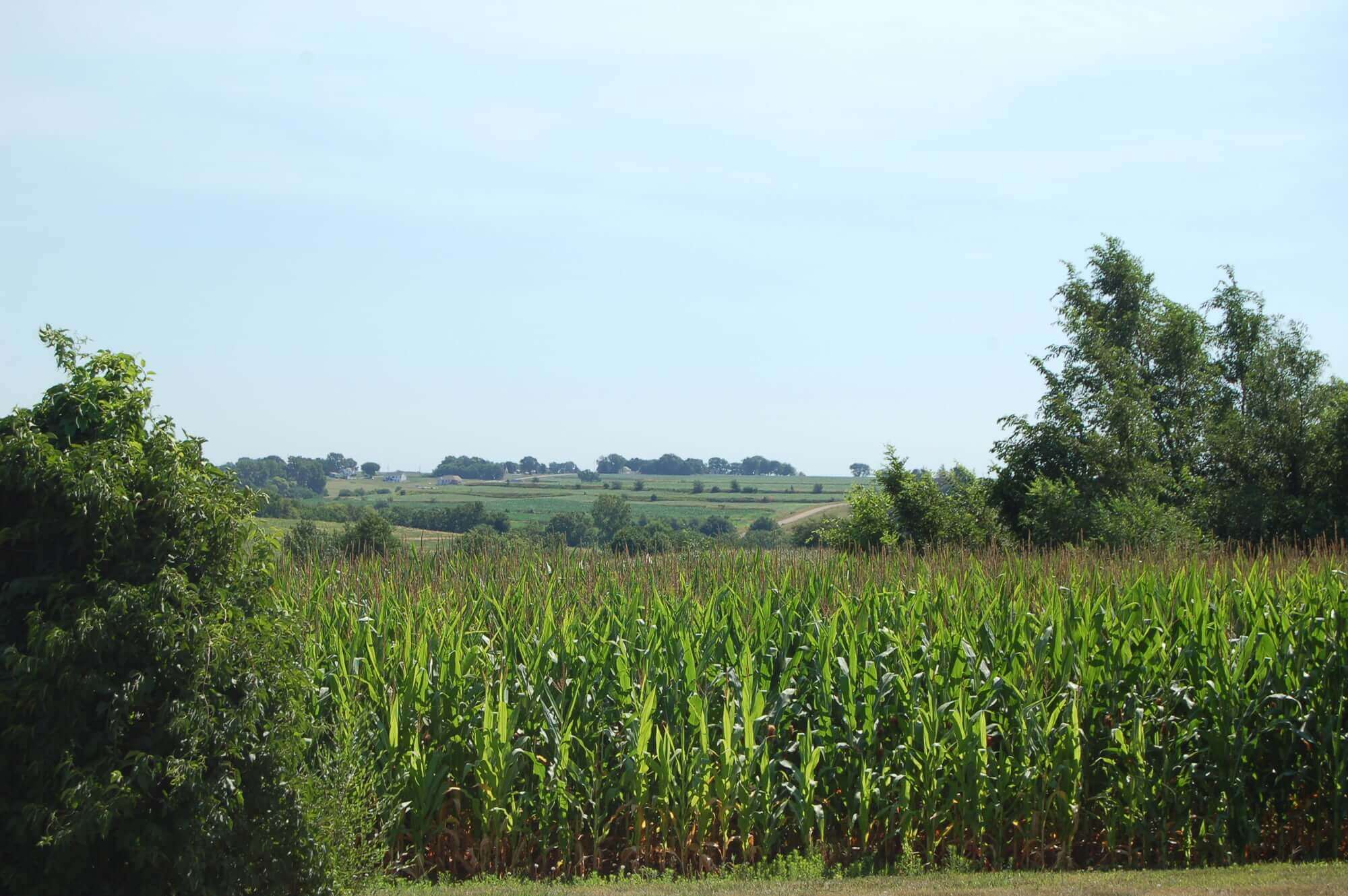
He would talk about growing up, about the best places to fish and why, about things that had happened on these roads and fields long before I was around to see any of it. Some days Grammy would come along and we would not fish at all. We would just drive. No destination, no agenda. Granddad would call it going to check the fields, which was technically true but also just an excuse to be out in the county doing what he loved, which was moving through a landscape that held sixty years of his memory in every section of ground.
What Those Rural Iowa Drives Looked Like
We passed old schoolhouses that Grammy had taught in and that Granddad had attended as a kid. Farmsteads that were no longer standing, just a tree line or a foundation to mark where something used to be. Churches that still served their small rural Iowa communities the same as they always had.
He told stories of winters hard enough that horses had to pull tractors and bulldozers out of the snow just to keep the roads open. Stories about Jesse James and where his gang had operated in that part of the state. Stories about his brothers, uncles, and cousins who had worked for the Civilian Conservation Corps, building ponds and levees to help farmers irrigate their fields and working on roads and parks across Iowa during the Depression years.
He would point out land the family had owned for generations and tell me who owned it now, and how it had changed hands. Watching his face while he told those stories was something. Grammy would watch him too, occasionally correcting a detail or picking a small, affectionate fight just to keep him honest. They had been doing that for a very long time.
I have thought about those drives a lot over the years. Maybe they are part of why I enjoy road trips so much, or why going for a drive with no particular destination still feels like a reasonable way to spend an afternoon. There is something to be said for moving through a landscape while someone who knows it talks about what they have seen there.
Stories Worth Keeping
My grandparents are still married and in their mid-nineties. We cannot go on drives anymore, but we can still sit and visit. The storytelling has always had a particular quality to it, something almost hypnotic in the way the details come out. They lived through remarkable times and they remember them with a clarity that pulls you in. You find yourself drifting into the world as they describe it, seeing it the way they saw it, which is a kind of gift that does not get talked about enough.
With the pace things move now, I wonder sometimes whether the kind of storytelling my grandparents did on those Iowa farm drives will carry forward. Whether there will be the same unhurried space for it. Whether the people who come next will have someone to drive them through a county and point out what used to stand where that tree line is, and why it matters.
Something worth thinking about, anyway.
For more stories from the road and the people who shaped how I see it, take a look at the My Take archive or the piece on what overlanding means and why the journey itself is the point.
If you want more of this kind of writing, the Stories section has more personal reflections from life outside and the people and places that shaped it. The newsletter is where a lot of the shorter pieces and observations land that never quite become full posts. Subscribe on Substack if you want to follow along.


