
Mesa Verde National Park – Colorado
The History of Mesa Verde National Park
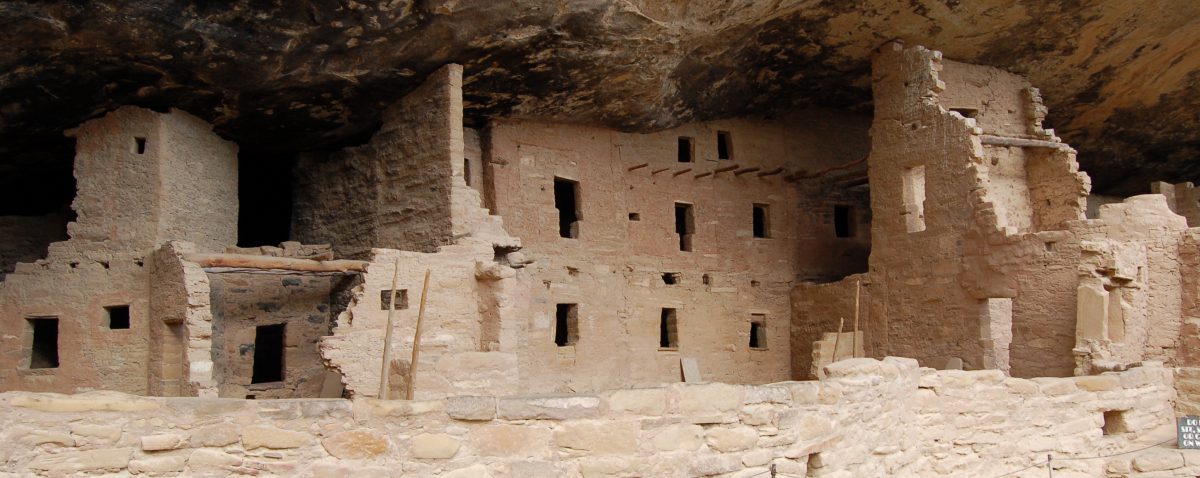
Mesa Verde sits in the southwestern corner of Colorado, in Montezuma County, up on a high tableland cut by deep canyons. Mesa Verde is Spanish for green table. At 52,485 acres it protects more than 5,000 known archaeological sites, including about 600 cliff dwellings, which makes it the largest archaeological preserve in the United States. It is the only World Heritage Site in Colorado.
The People Who Lived Here
People were on this mesa a very long time before the cliff dwellings. Bands of hunter-gatherers came through seasonally as far back as around 7500 BC. Later the Ancestral Puebloans settled in and stayed, farming the mesa top from roughly 600 to 1300 AD. For most of that time they lived and grew their crops up on top. Only in the last hundred years or so of their time here did they move down into the alcoves in the cliff walls and build the dwellings the park is known for. By about 1300 they had left the region entirely.
The Cliff Dwellings
The cliff dwellings sit in natural alcoves in the sandstone, built from shaped stone, mortar, and wood. Cliff Palace is the largest of them and one of the largest in North America, with roughly 150 rooms. Balcony House, Long House, Spruce Tree House, and Step House are among the other well known sites. The people built into the rock for shelter and for the way the alcoves held warmth in winter and shade in summer.
How It Became a Park
Ranchers Richard Wetherill and Charlie Mason came upon Cliff Palace in the winter of 1888 while looking for stray cattle. Word spread, and so did digging and looting, and people began pushing to protect the sites. Congress and President Theodore Roosevelt established Mesa Verde as a national park on June 29, 1906. It was the first national park set aside to preserve the work of people rather than a landscape. In 1978 it was named a UNESCO World Heritage Site.
Know Before You Go
- Region: Southwest United States
- Location: Montezuma County, southwestern Colorado. The entrance is off US-160 between Cortez and Mancos.
- Address: Mesa Verde Visitor and Research Center, Mesa Verde National Park, CO 81330
- Coordinates: 37.2306, -108.4619
- Costs: NPS entrance fee $20 – $30 by season; America the Beautiful pass accepted. Cliff dwelling tours require a separate ticket booked on Recreation.gov.
- Schedule: Open year-round. Cliff dwelling tours run seasonally, generally late spring through fall. No timed entry reservation for the park itself; guided tours require a ticket.
- Attraction Type: National Park
- Activities: Scenic driving, ranger-led cliff dwelling tours, overlooks, hiking, archaeology, museum, photography, stargazing
- Notes:
- Every cliff dwelling except Step House requires a ticketed, ranger-led tour. Tickets open on Recreation.gov up to 14 days ahead and sell out fast.
- Step House is the one cliff dwelling you can walk on your own.
- It is about 45 minutes from the entrance to the Chapin Mesa dwellings on a long, winding road. Give yourself the drive time.
- Visitor areas sit high, around 7,000 to 8,500 feet. Summer afternoons bring thunderstorms.
- Cell signal is limited. Download your tour tickets and maps before you arrive.
- Cortez and Mancos are the closest towns for gas, food, and lodging.
- Additional Resources: NPS Official Site
My Visit
My brother and I reached Mesa Verde at the end of a long day in 2006, the last stop before we turned toward home. It was late and the light was going, and we had already been through Monument Valley and Four Corners earlier that same day.
What I remember most is that we walked up to the dwellings and went inside them on our own. You could stand in the rooms, take your time, and look out from the same alcoves the people who built them looked out from. That kind of access has narrowed since, and most of the cliff dwellings are seen on a guided tour now, but standing in them without a schedule or a group is the version of Mesa Verde I carry.
The thing that stayed with me was how they built. They had found a pocket of green in the middle of a hard desert, and the sun was the biggest thing working against them, so they built around it. They read the seasons. They knew how the air moved and where the wind came from, and they set their homes into the rock to use it. It still amazes me how well people solved problems like that long before they had any of the tools we lean on now.
Photos From My Trip
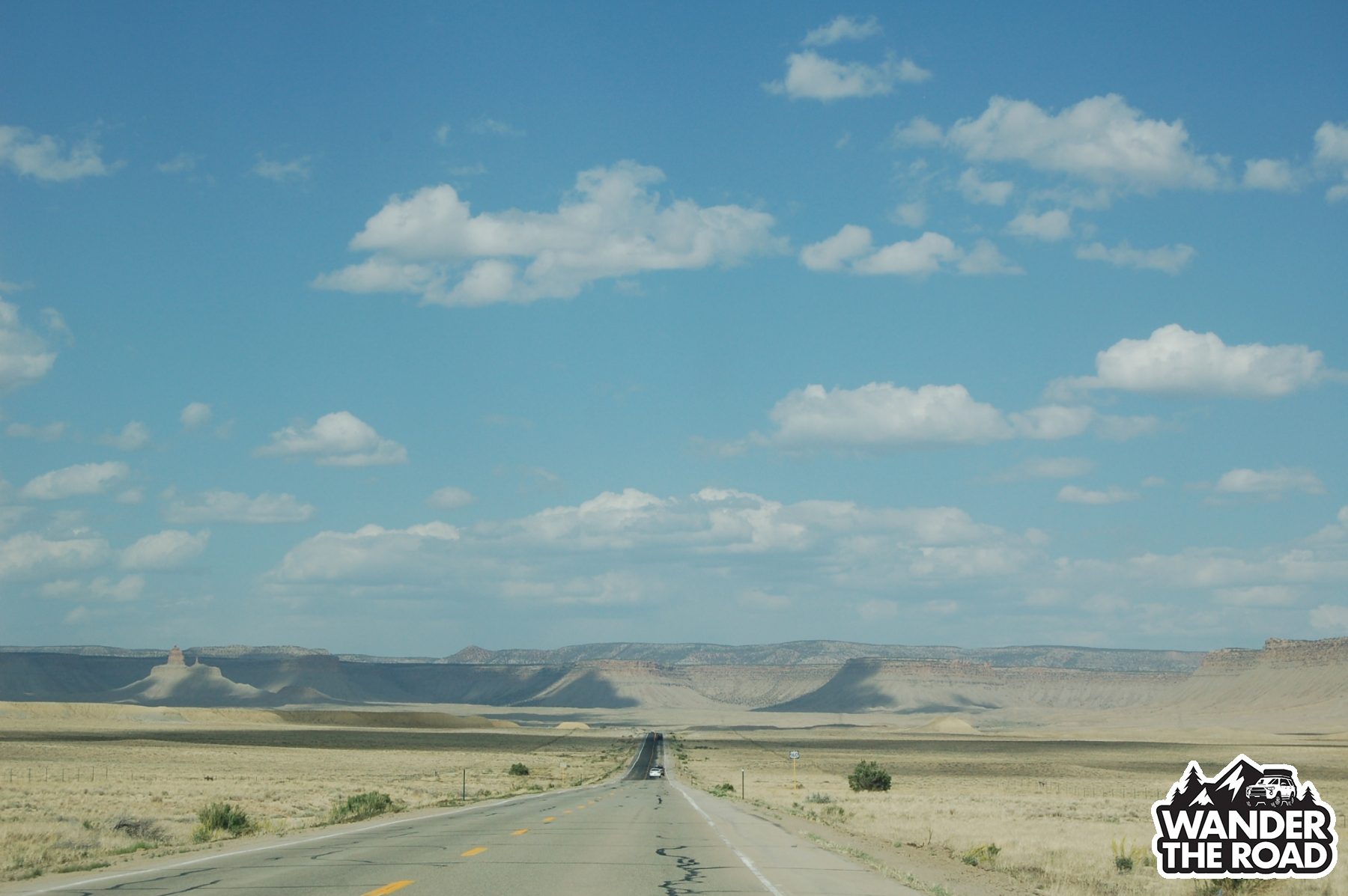
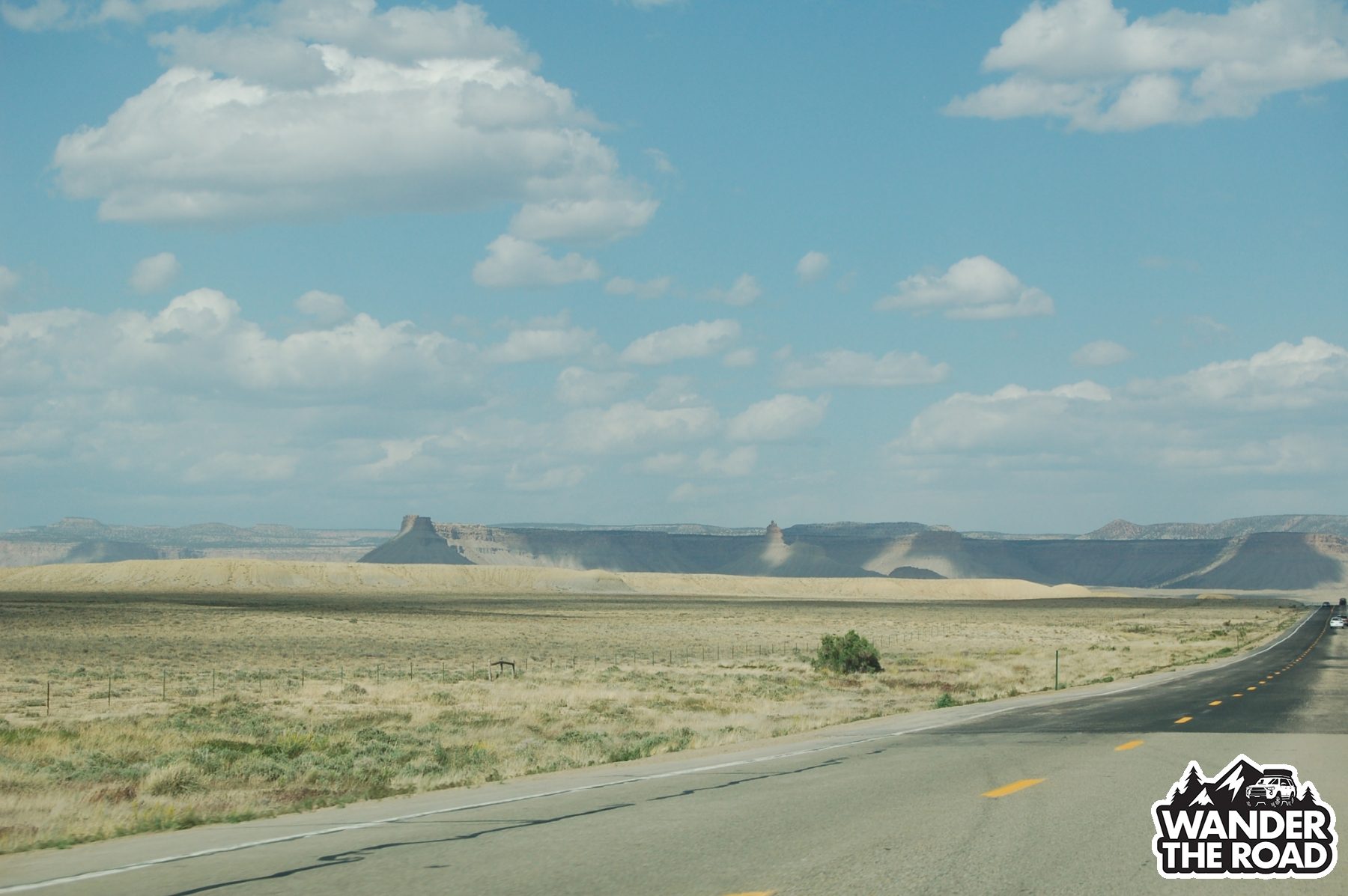
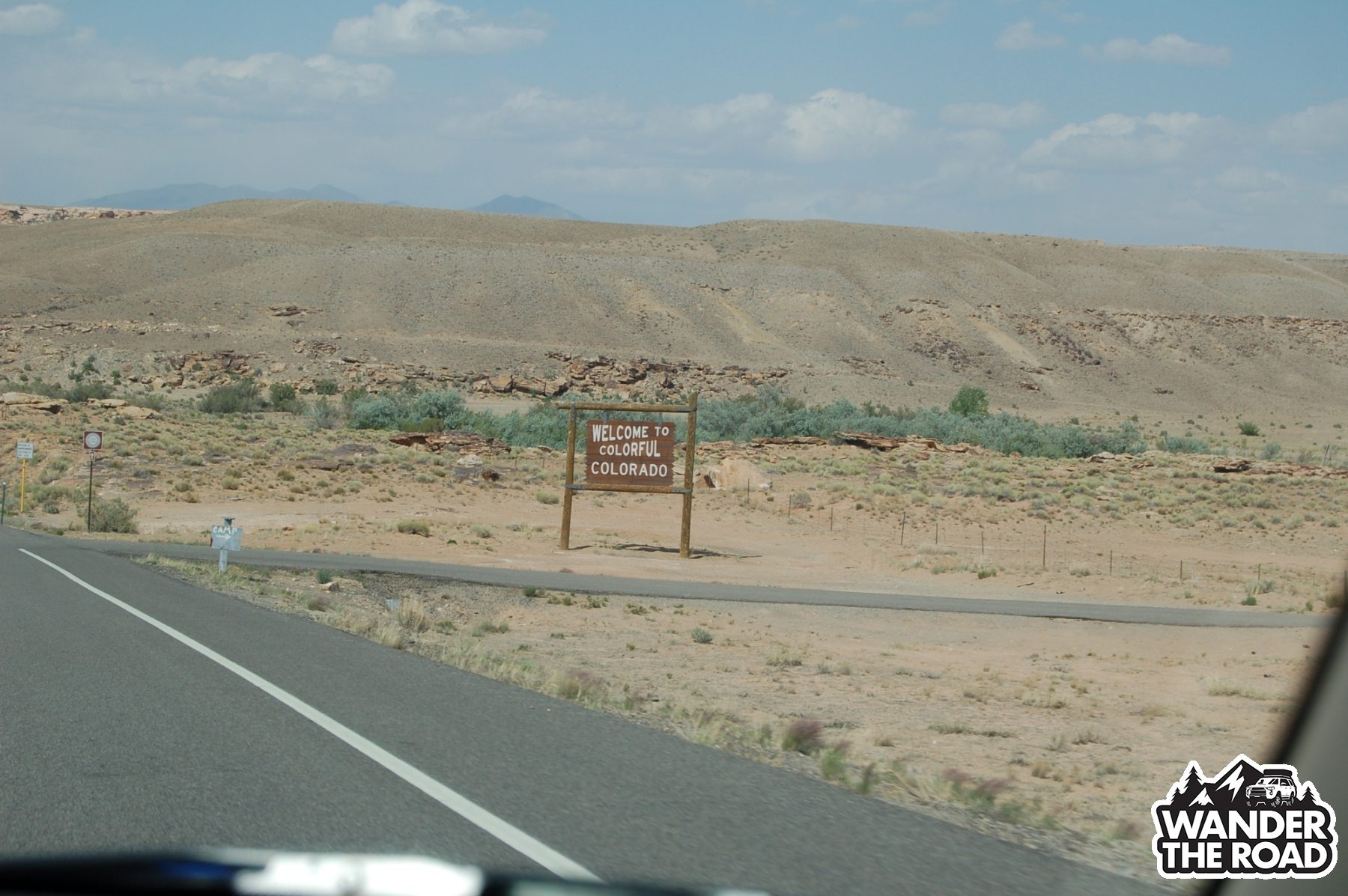
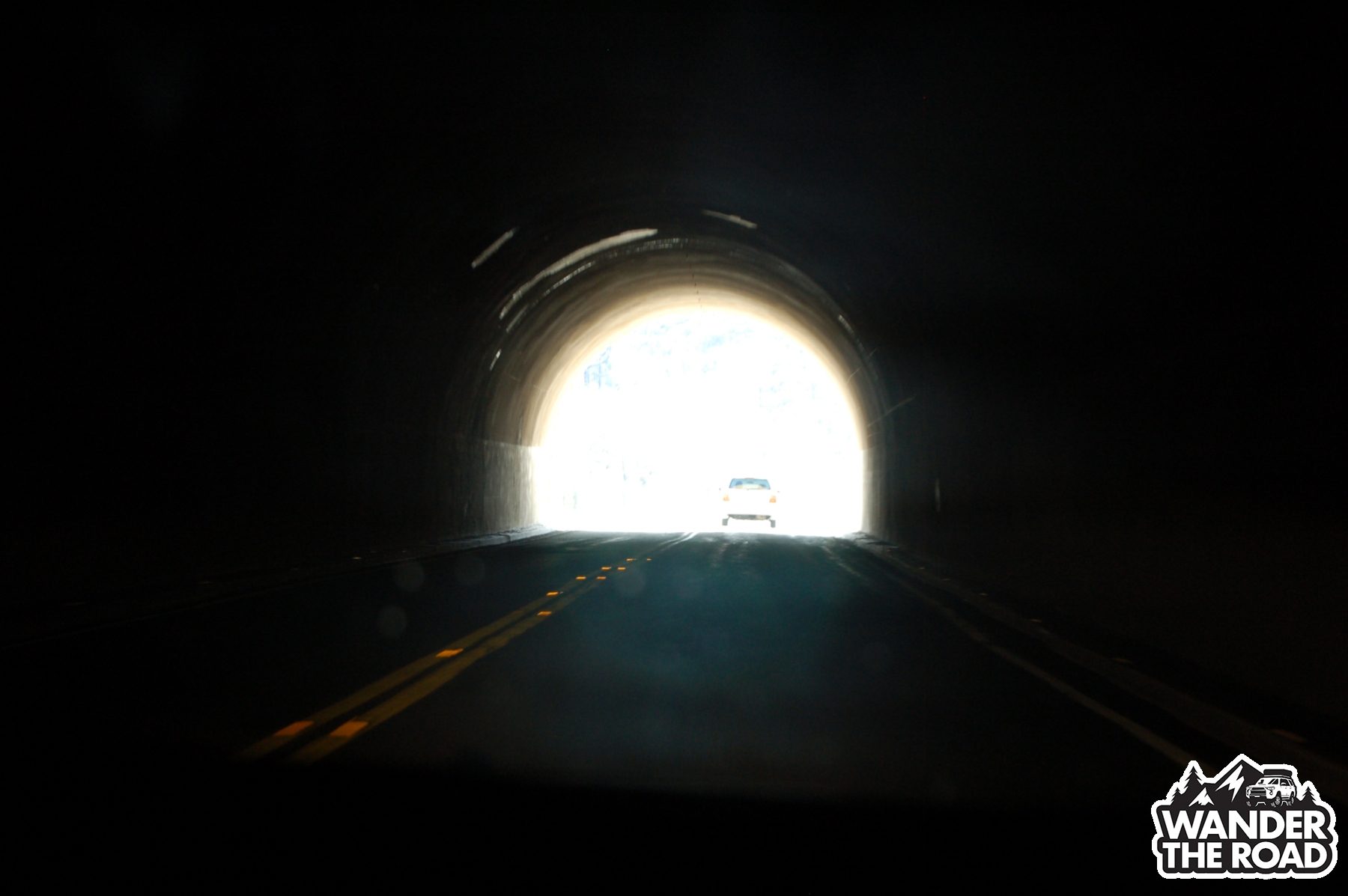
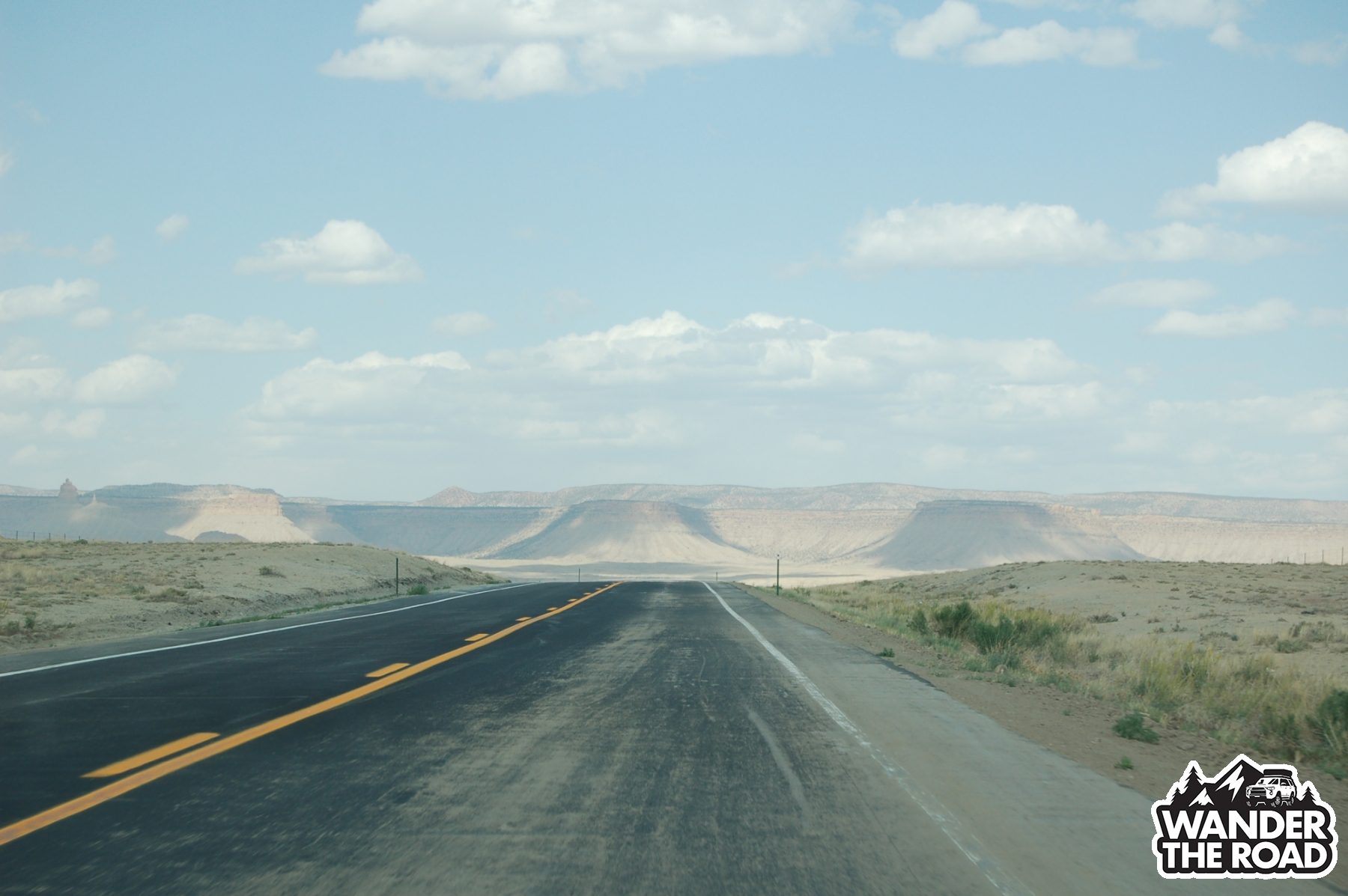
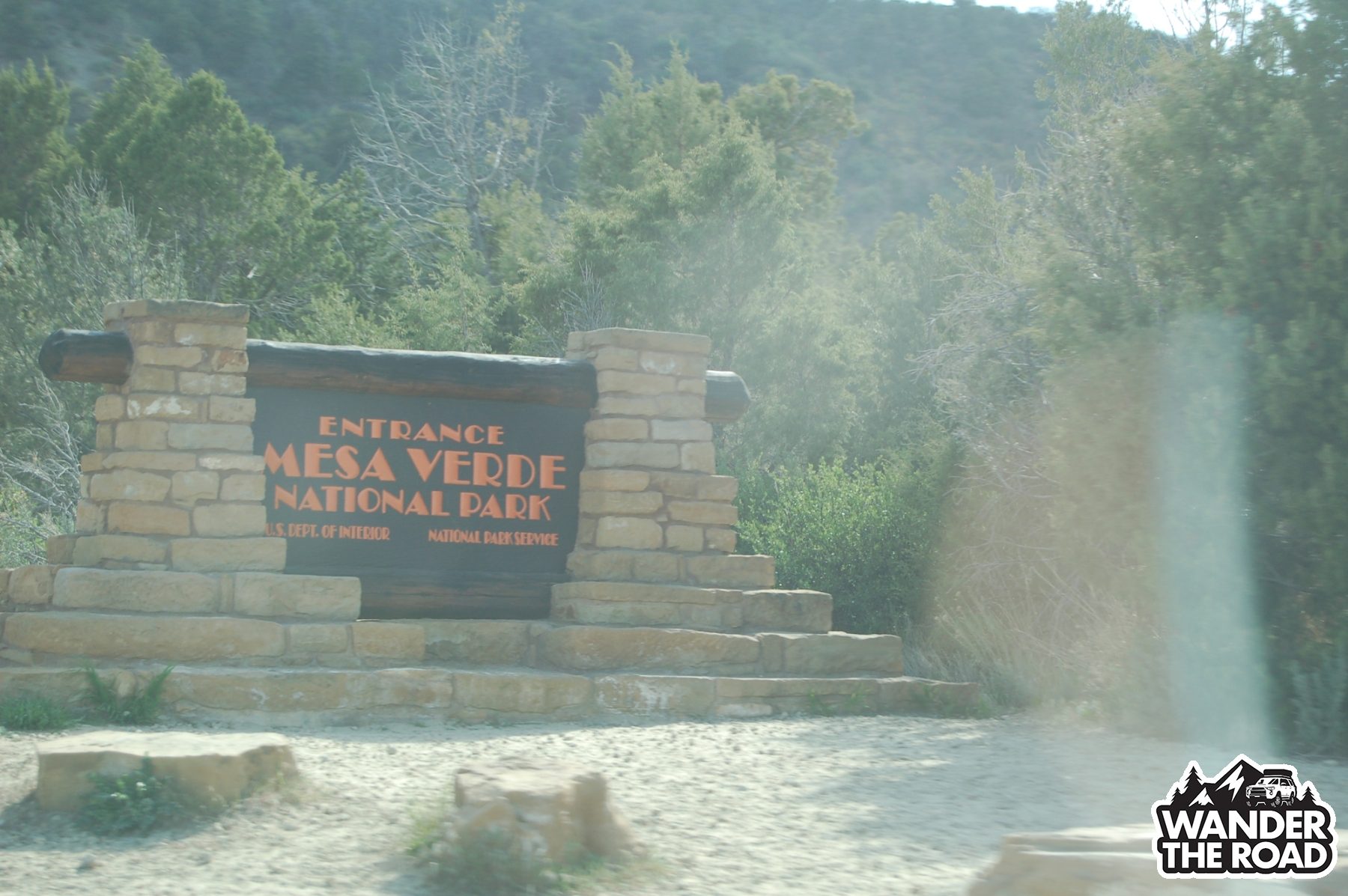
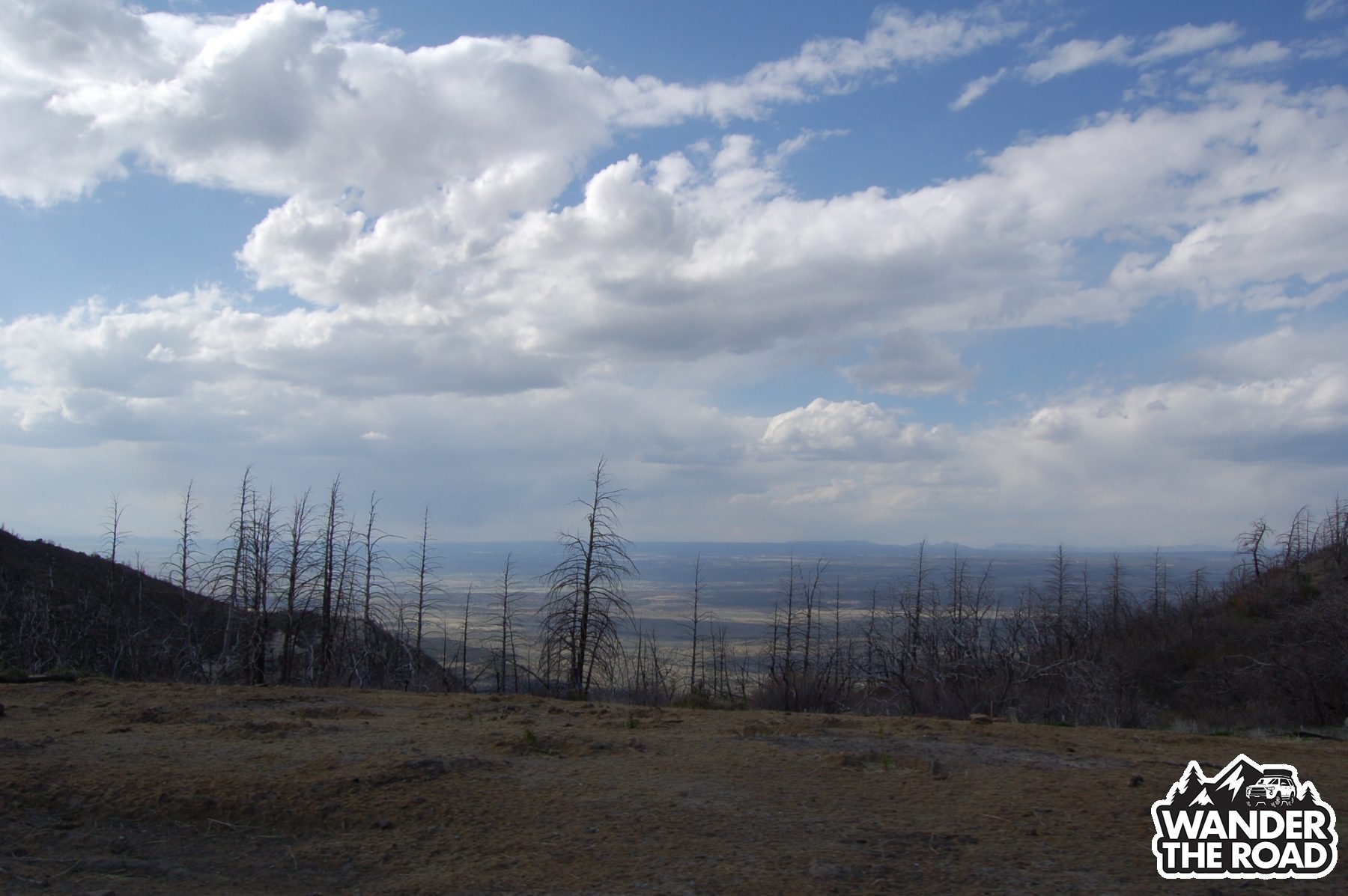
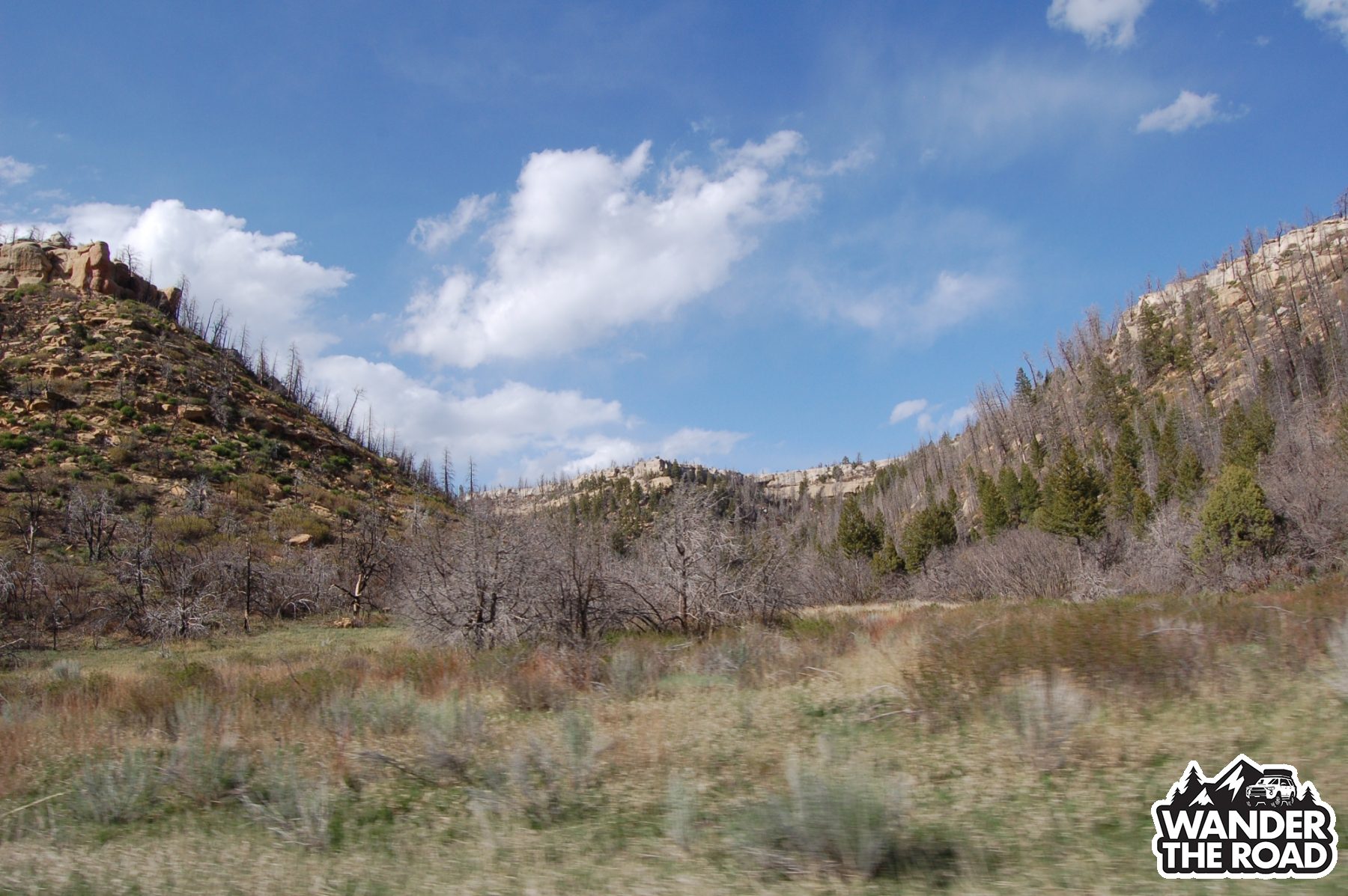
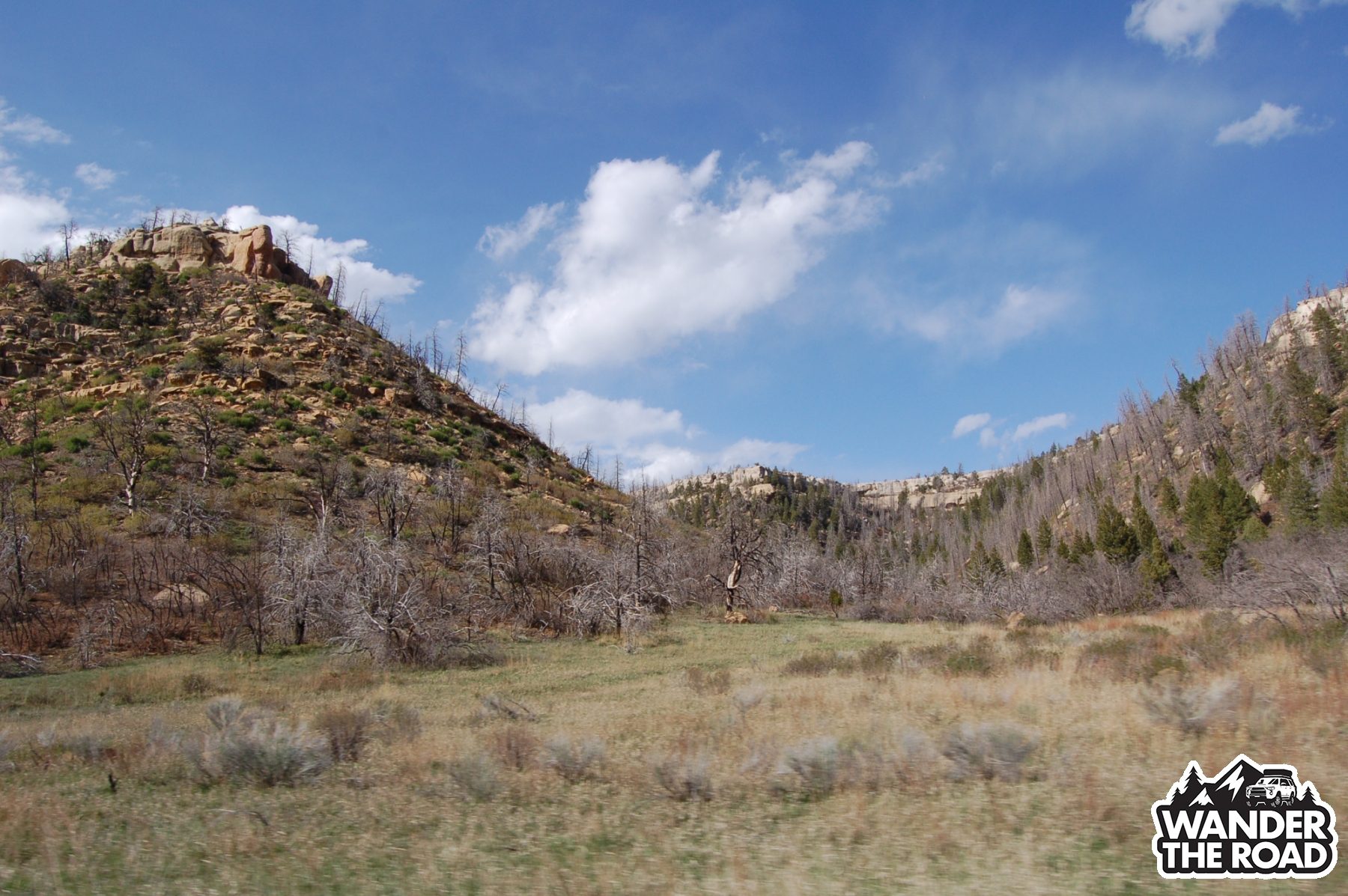
Mesa Verde was the last stop on a long day of a 2006 road trip through the Southwest, and one of several places from that trip in the Places section.
Monument Valley Navajo Tribal Park and Valley of the Gods came earlier the same day, both back up the road in Utah. Canyonlands National Park and Arches National Park were the day before, canyon country a few hours north.
If you want to see everything in the National Park Units section, the full list is here.
The newsletter is where I share the extra stuff: finds, trip notes, and places that do not always make it to the blog. Subscribe on Substack if you want to follow along.