
Monument Valley Navajo Tribal Park – Arizona and Utah

The History of Monument Valley
Monument Valley sits on the Arizona and Utah border, on Navajo Nation land. It is the landscape most people have in mind when they think of the American Southwest, tall red sandstone buttes standing alone on an open desert floor, the largest of them rising about 1,000 feet. The rock is layered, Organ Rock shale at the base, de Chelly sandstone in the middle, Moenkopi shale on top, and it was left standing when wind and water wore the softer rock away around it.
A Navajo Tribal Park
Monument Valley is not a national park or a national monument. It is a Navajo Tribal Park, established by the Navajo Tribal Council in 1958, and it is owned and managed by the Navajo Nation as sovereign land. National Park passes do not apply here, Navajo park rules do, and some parts of the valley can only be seen with a Navajo guide. The land is sacred to the Diné, and that living connection still shapes how the place is visited.
The Buttes and the Movies
The most recognizable formations are the two Mitten Buttes, East and West, named for the thin spires of rock that stand up off them like thumbs. Others carry names like Merrick Butte, the Three Sisters, Totem Pole, and John Ford’s Point. That last name points to how the valley entered the wider imagination. In the 1920s the Goulding family began promoting it to Hollywood, and director John Ford filmed a string of Westerns here.
Know Before You Go
- Region: Southwest United States
- Location: Arizona and Utah border, on Navajo Nation land, reached from US 163 between Kayenta, Arizona and Mexican Hat, Utah
- Address: Monument Valley Navajo Tribal Park Visitor Center, US-163, Oljato-Monument Valley, UT 84536
- Coordinates: 36.9980, -110.0985
- Costs: Per-person admission fee, paid at the gate. National Park passes are not accepted.
- Schedule: Visitor center open daily. Roughly 8 am to 7 pm May to September, 8 am to 4 pm October to April. Hours vary, check ahead.
- Attraction Type: Navajo Tribal Park
- Activities: Scenic driving, guided tours, photography, the Wildcat Trail, lodging at The View
- Notes:
- The 17-mile Valley Drive is an unpaved loop you can drive yourself. It is rough, bumpy, and roughest on the initial descent from the visitor center. Most cars can manage it in dry weather.
- RVs, camper vans, and low-clearance vehicles are not suited to the drive. Guided tours run in appropriate vehicles.
- The Wildcat Trail, a 3.2-mile loop around West Mitten Butte, is the only hike you can do without a Navajo guide. Several formations can only be reached on a guided tour.
- The area observes Navajo Nation time, which uses daylight saving time. Arizona does not, so clocks here can differ from the surrounding state.
- No pets and no drones anywhere in the park.
- The View Hotel, at the visitor center, is the only lodging inside the park and looks straight out at the Mittens. There is also a primitive campground.
- Navajo vendors sell food and handmade goods at roadside stands near the entrance. Buy local.
- Additional Resources: Navajo Nation Parks Official Site
My Visit
We reached Monument Valley in 2006 after a morning spent poking around Valley of the Gods up the road. This was the one we had been saving our time for, partly because it is the famous one and partly because we had to pay to get in, so we were going to get our money’s worth.
It was quiet, vast, and empty, and we stopped constantly. Out of the car, photos, back in, on to the next pullout. You could see the dust moving on the wind and you could hear it. The whole time part of me kept waiting for the scene I had grown up watching, a roadrunner going by with a coyote behind it, a tumbleweed rolling across with a rattlesnake sound, some cowboy music starting up out of nowhere. None of it came. It just stayed quiet.
Photos From My Visit

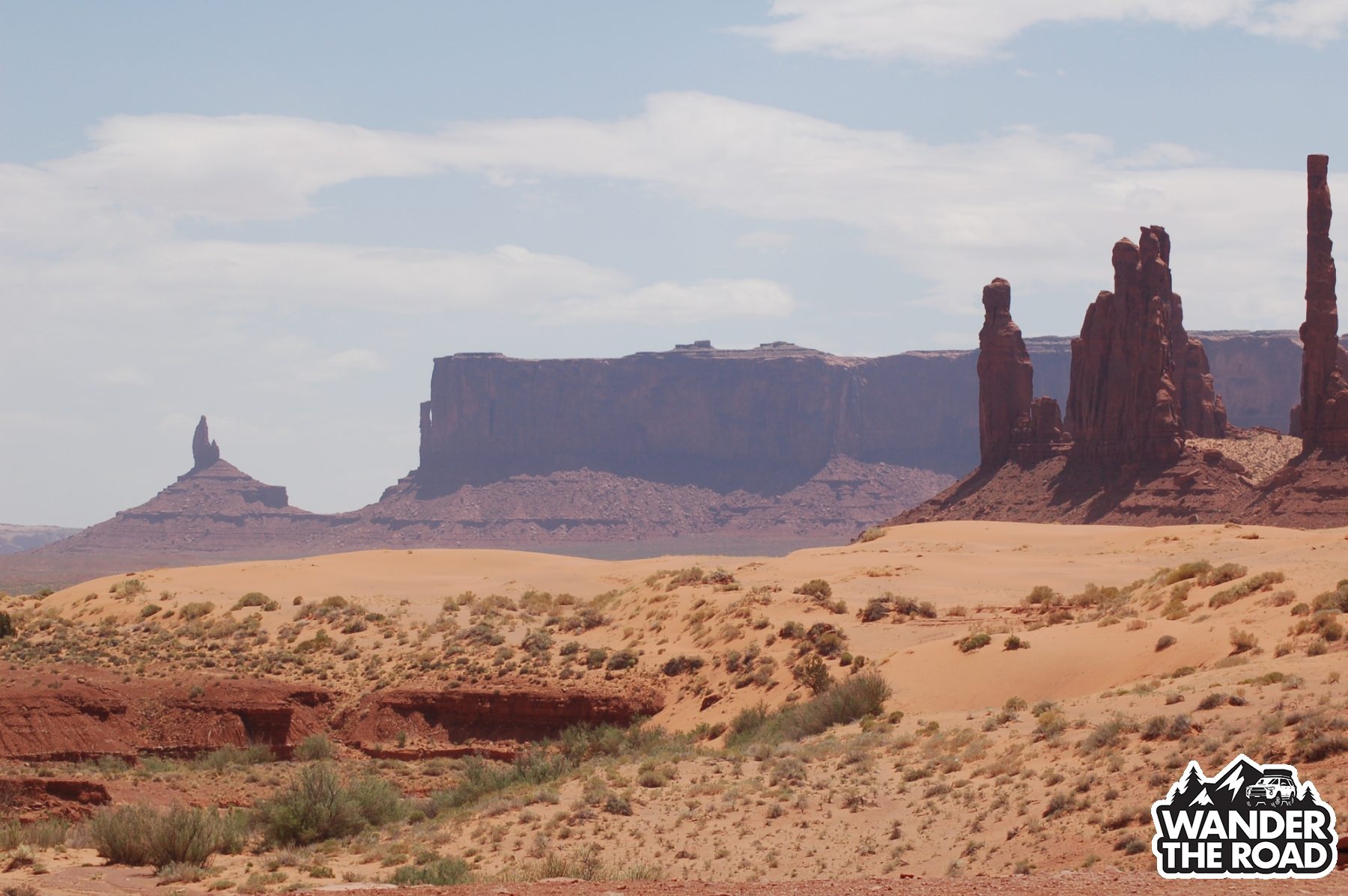
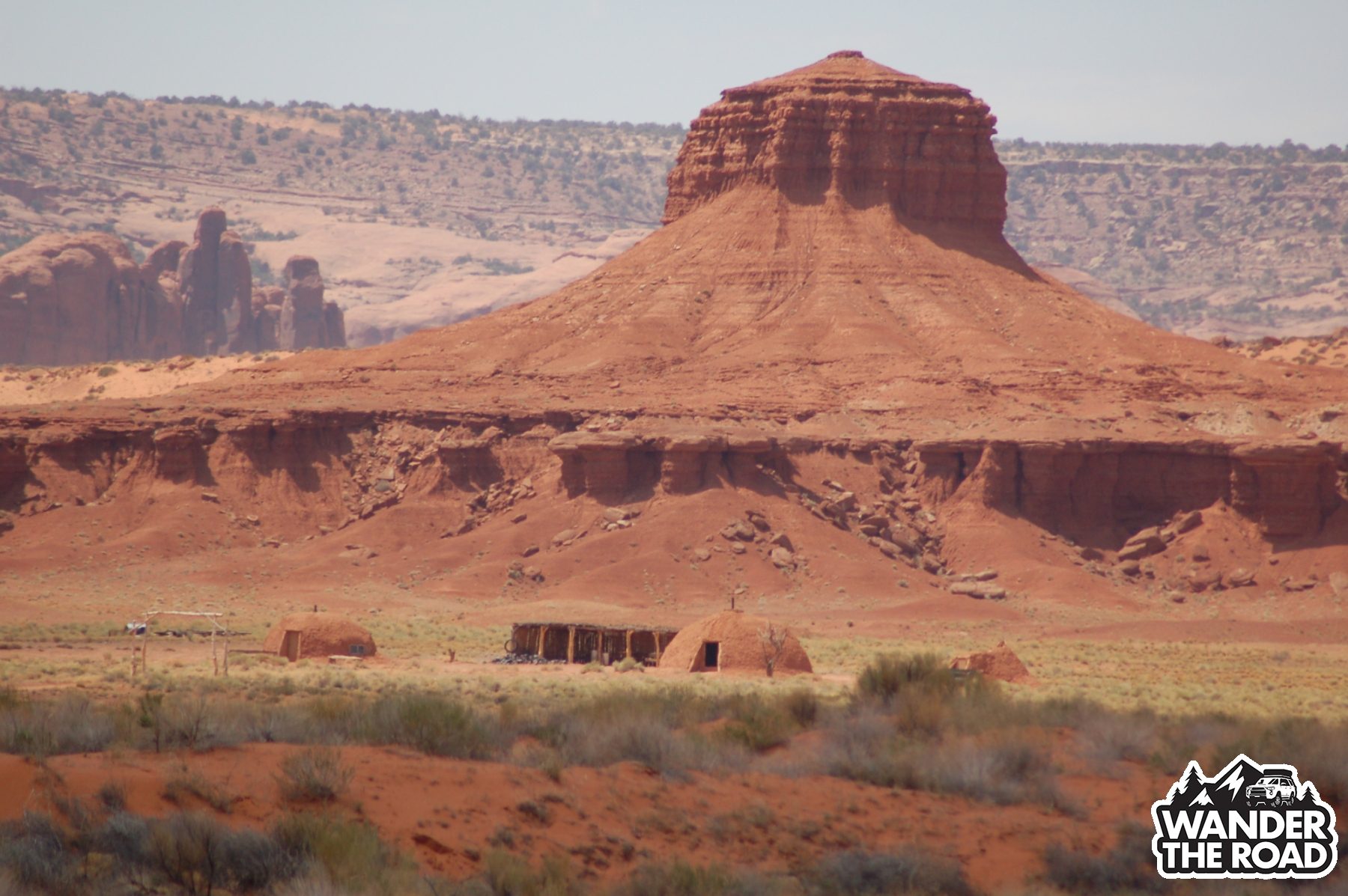
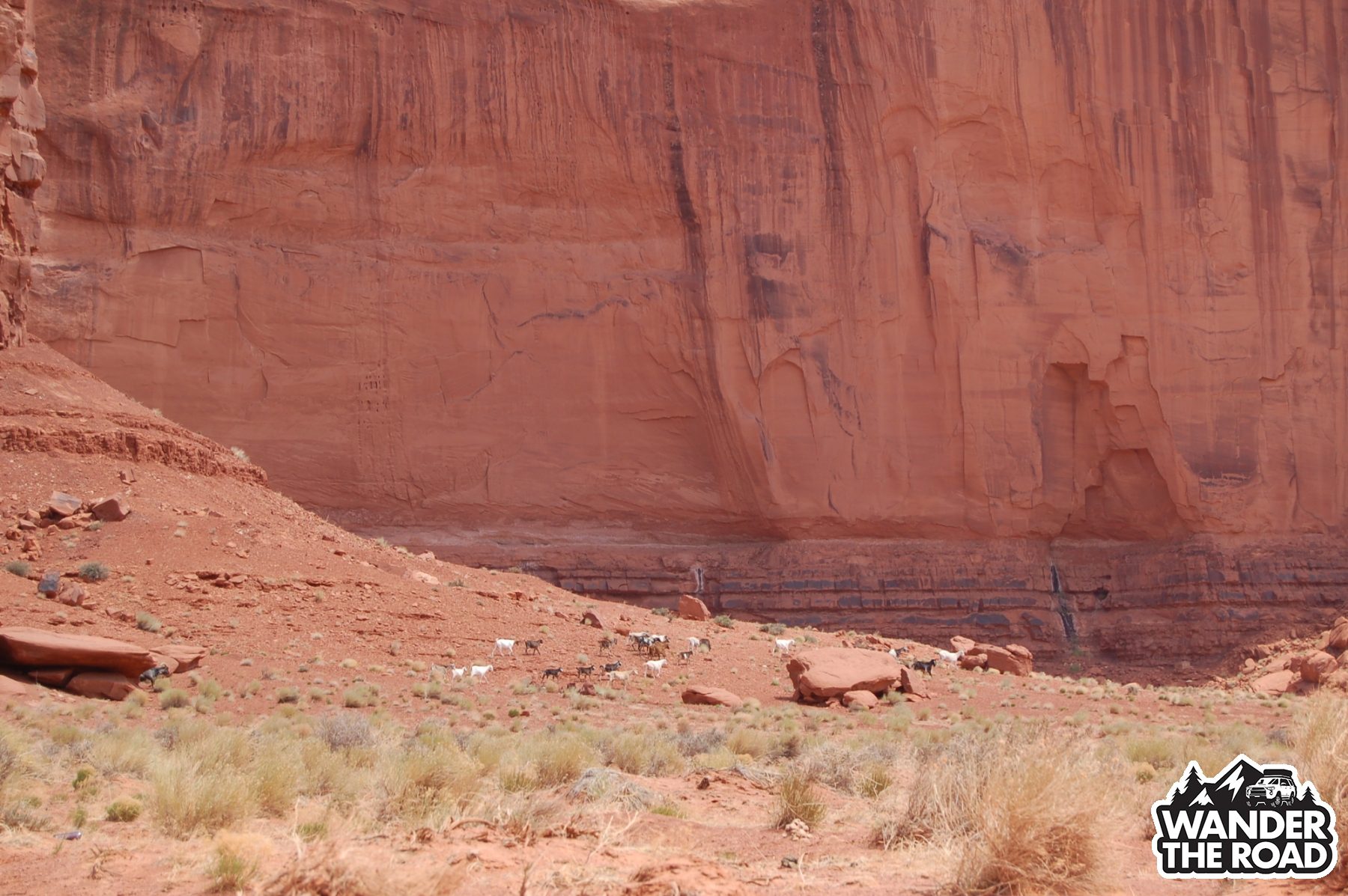
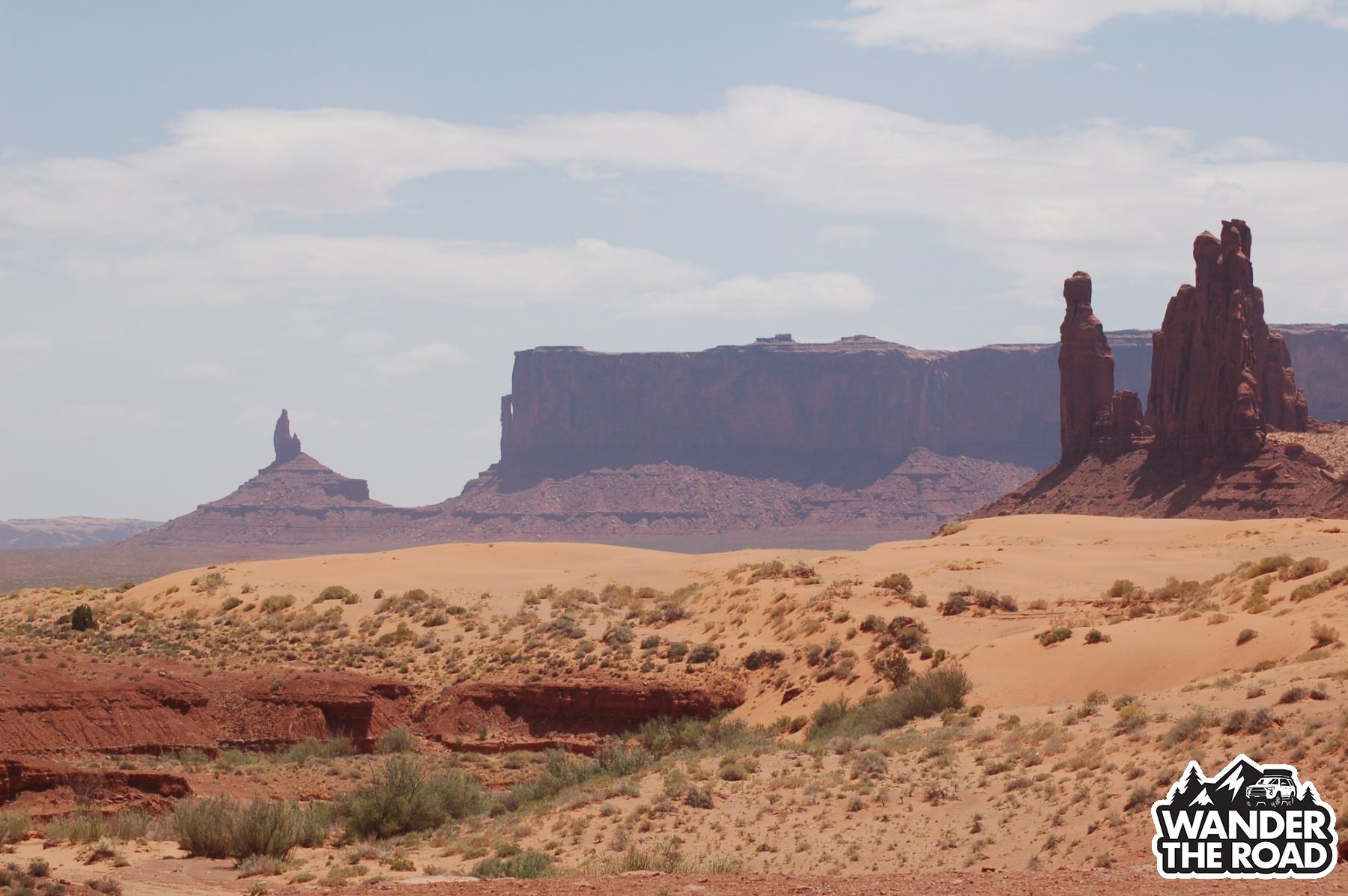
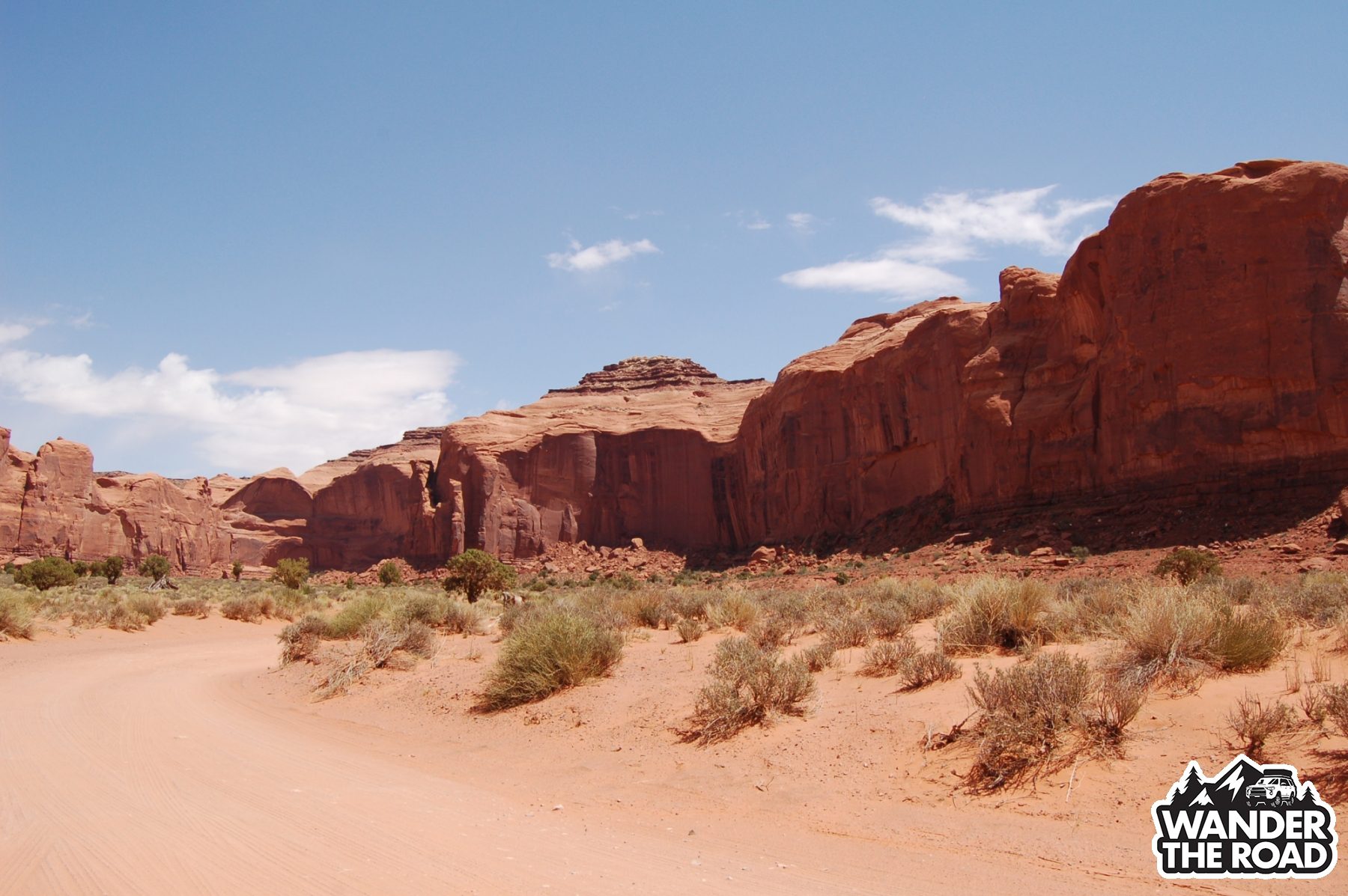
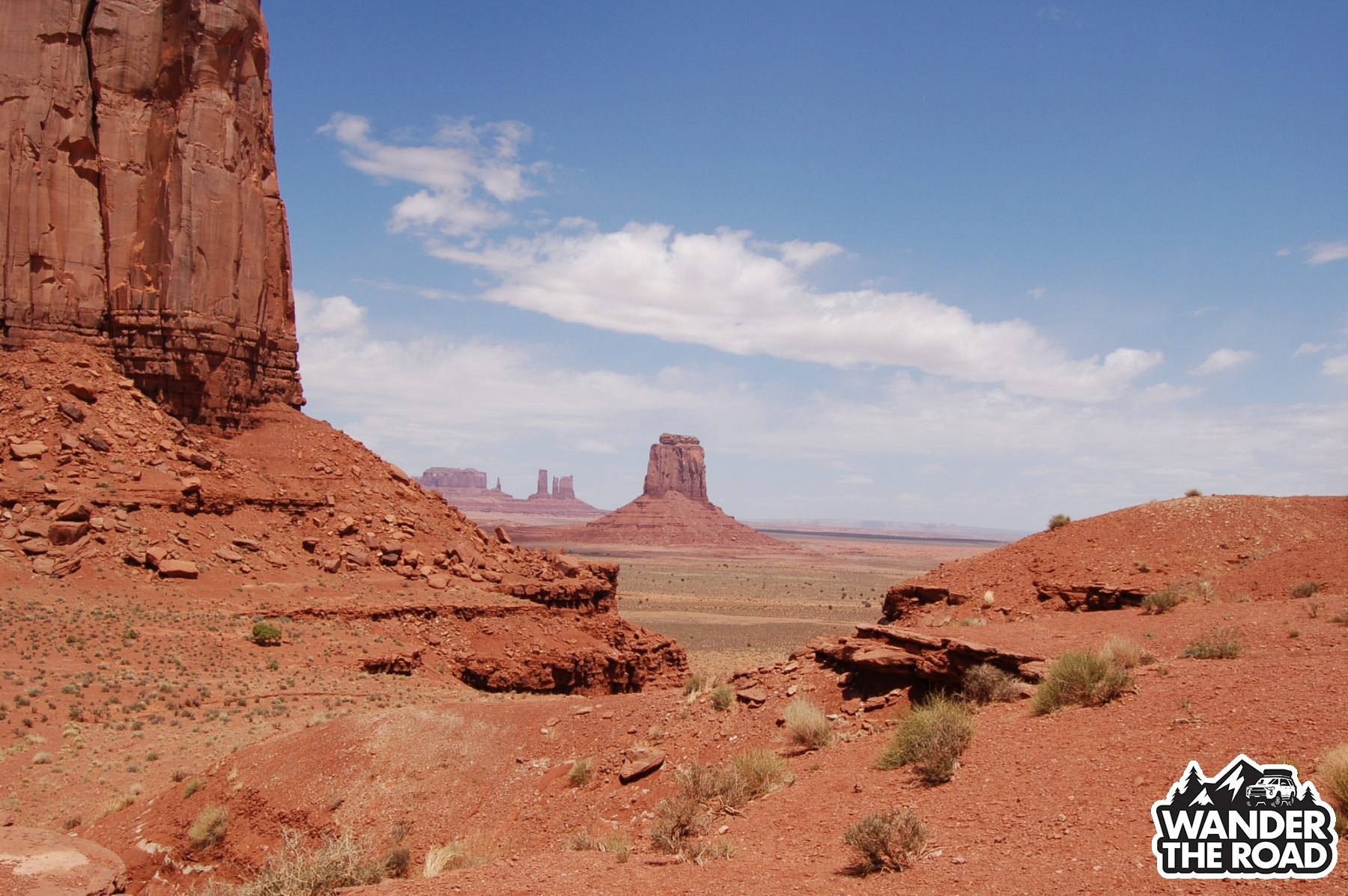
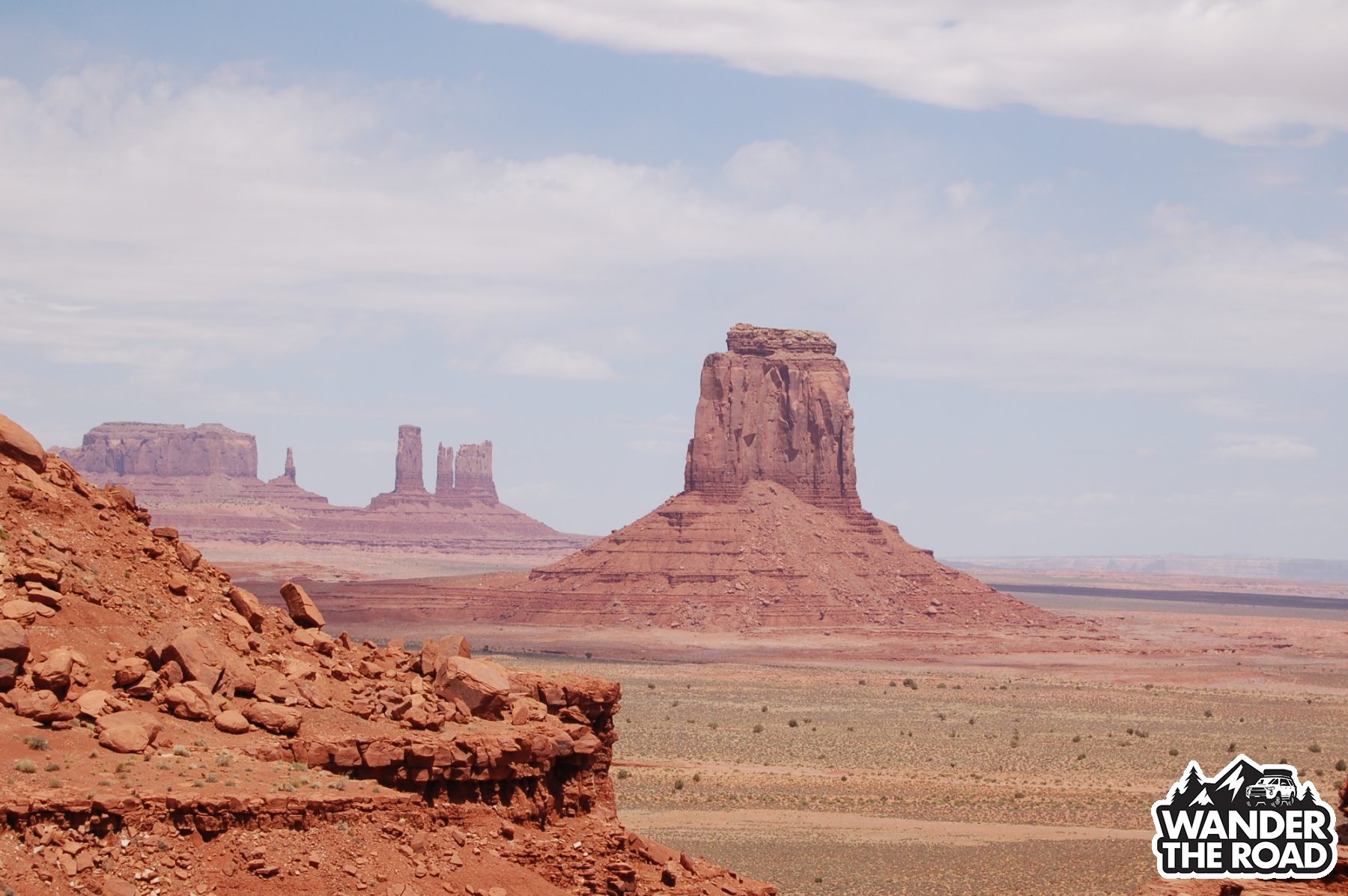
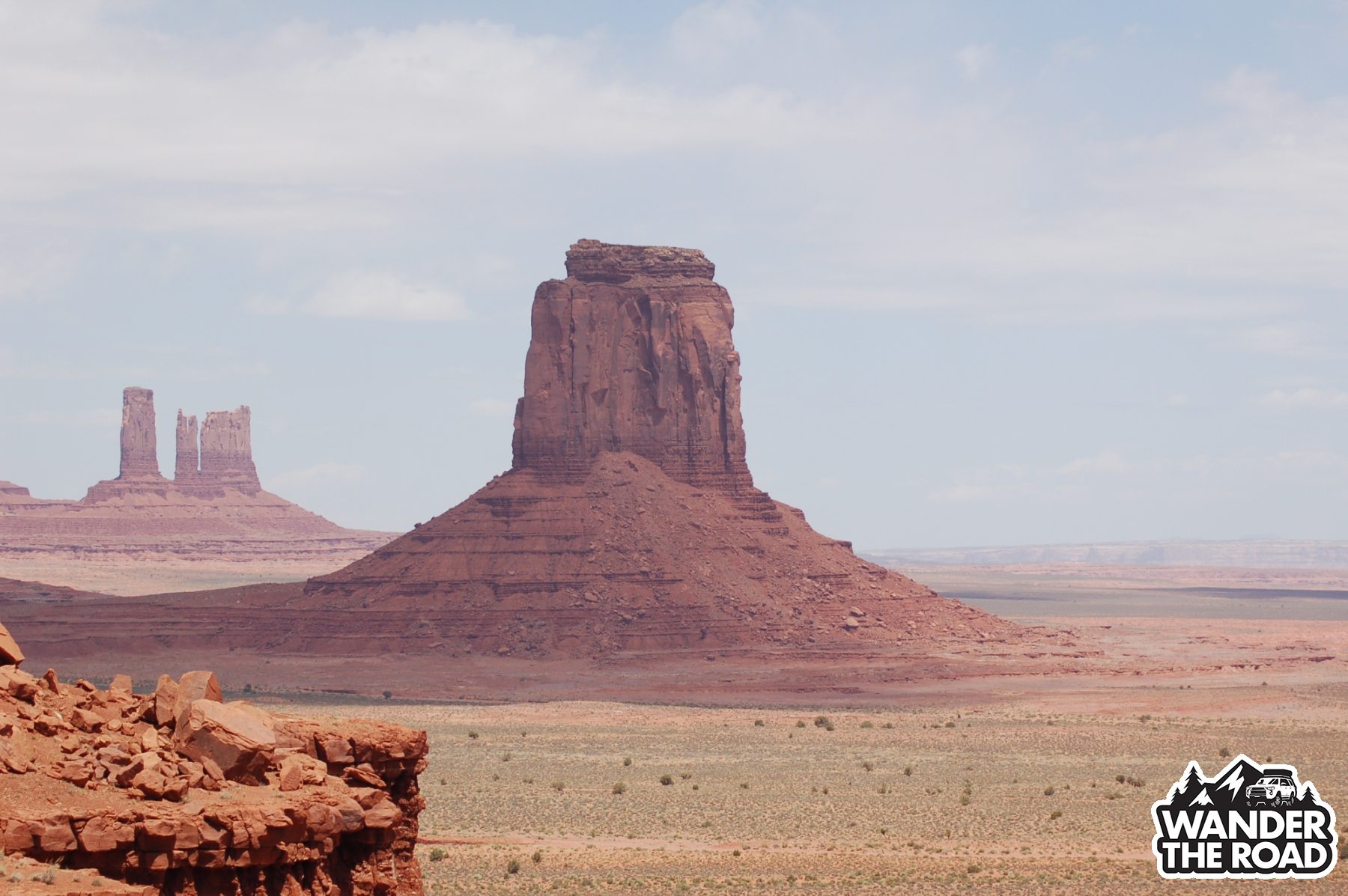
Monument Valley was one stop on a long day of a 2006 road trip through the Southwest, and it sits close to several others in the Places section.
Valley of the Gods is just up the road and offers a similar landscape with no gate, no fee, and almost no one around. Havasupai Falls and Supai Canyon is deeper into the same desert, at the bottom of the Grand Canyon. Oak Creek Canyon near Sedona is a greener stretch from the same trip.
If you want to see everything in the Natural Areas section, the full list is here.
The newsletter is where I share the extra stuff: finds, trip notes, and places that do not always make it to the blog. Subscribe on Substack if you want to follow along.