
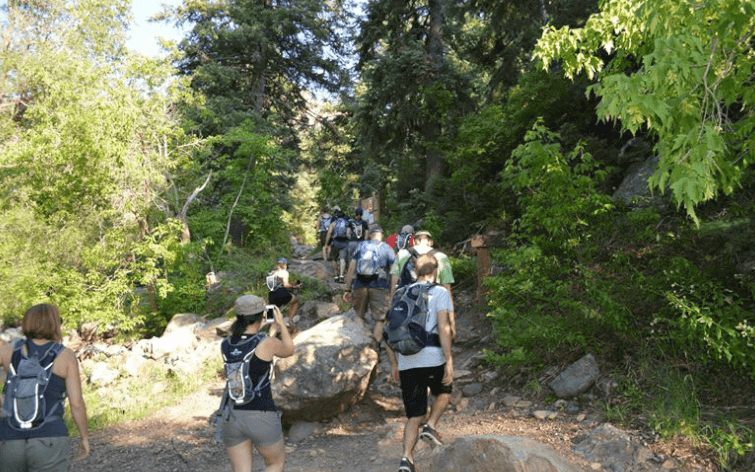
The gear checklist is done. The pack is loaded. But before you walk out the door, there are a few things that have nothing to do with gear that are just as important as anything in your kit. These are the ten things I make sure to do before heading out on any adventure, whether it is a quick morning hike or a full weekend in the backcountry.
The Pre-Adventure Hiking Checklist
1. Hydrate Before You Leave
Starting your adventure already hydrated gives your body a head start it will thank you for later. A hydration deficit means you spend the first part of your hike just trying to get back to baseline, and on a warm day or a long climb that is a hole that is hard to dig out of. Drink a liter or two of water while you are packing and even during the drive to the trailhead. The more water you have in your system before you start, the less you have to carry and the better you will feel on the back half of the day.
2. Eat a Full Breakfast
Your body runs on fuel the same way a vehicle does. Heading out on an empty tank is a reliable way to run out of energy at the worst possible time. Eat a real meal before you leave and make sure it is something your body handles well. A new food choice the morning of a big hike is a gamble that does not always pay off. Stick with what you know, eat enough, and your legs will be happier for it.
3. Check and Double Check Your Gear
A full pack is not the same as a well-packed pack. Having a checklist and actually running through it before you leave is the difference between arriving at the trailhead prepared and arriving at the trailhead missing your compass or your first aid kit. Knowing exactly what is in your pack, and knowing you actually need everything that is in it, is part of the hiking checklist that gets skipped most often. Do not skip it.
4. Make Sure Your Footwear Matches Your Activity
This sounds obvious until you pull up to the trailhead and realize your trail shoes are sitting by the back door at home. If you change into your boots at the trailhead, confirm they are in the vehicle before you leave. And make sure the footwear you have actually suits what you are doing. Water shoes on a rocky trail and hiking boots on a kayak trip both technically work, but neither is ideal. Happy feet make for a much more enjoyable day outside.
5. Charge Your Devices and Check Your Batteries
A dead headlamp or a phone that dies before you get back to the trailhead is an avoidable problem. Check that all your devices are charged or have fresh batteries before you leave. A small backup battery pack and a spare set of batteries add minimal weight and have saved more than a few outings. You do not always need your phone out on the trail, but when you do need it, you really need it.
6. Leave a Note or Send a Message
This is one of the simplest and most effective safety steps on the entire hiking checklist, and it costs nothing. Tell someone where you are going before you leave. When I send that message or leave that note I always include the following:
- The trailhead or parking lot where my vehicle will be parked
- Year, make, model, color, and license plate of the vehicle — a photo works if you are bad with numbers
- The name of the trail and where I plan to start
- Expected time back at the vehicle
- Number of people in the group
- Description of what everyone is wearing
- Any other information that might help someone find you if needed
If something goes wrong, this information is what Search and Rescue will use to find you. Make it easy for them.
7. Check the Weather
Weather at the trailhead and weather in the mountains or backcountry can be completely different things. Check the forecast for the specific area you are heading to, not just the nearest town. Know what is coming throughout the day so you can dress appropriately, carry the right layers, and make informed decisions about whether to push on or turn back. Watching the sky while you are out there matters just as much as checking the forecast before you leave.
8. Have a Plan and a Backup Plan
Know which trail you are hiking, how long it is, and roughly how long it will take you. Have a sense of where you will turn around if the weather turns or something does not feel right. No one has ever said they wished they had pushed on when they were already sitting somewhere warm and safe after a smart turnaround. The Search and Rescue teams who end up responding to preventable situations would agree. A plan does not mean you cannot be flexible. It means you have thought things through before you need to think fast.
9. Pack Food and Snacks
Even on a short trip, carrying food is worth it. Hunger has a way of showing up ahead of schedule, and spending longer on the trail than planned is more common than most people expect. A good breakfast gets you started but it does not carry you all day. Pack a proper lunch if you will be out past noon and keep snacks accessible throughout the hike. Energy-dense options like nuts, jerky, and bars are easy to carry and make a real difference when your legs start to ask questions.
10. Take Care of Business Before You Leave
Yes, really. Use the bathroom before you hit the trail. Finding a suitable spot on a busy trail is inconvenient at best and genuinely unpleasant for everyone involved at worst. Taking care of it before you leave also means a lighter pack, which is a bonus nobody talks about enough. Consider it part of the pre-adventure hiking checklist the same as everything else on this list.
This list applies broadly to most outdoor activities beyond hiking. Some items will need adjusting depending on what you are doing, but the fundamentals carry across most adventures. Stay safe, leave no trace, and tread lightly out there.
For more practical tips before your next trip, check out the Adventure Tips archive, read up on the pros and cons of hiking solo, or browse the gear resources page for what to bring along.
If you want more practical prep guides like this one, the Adventure Tips section has more. Once you are ready to go, the Places section has trip reports from ghost towns, national monuments, state parks, and backroads across the US worth adding to your list. The newsletter is where I share the extra stuff: finds, trip notes, and places that do not always make it to the blog. Subscribe on Substack if you want to follow along.


1 Comment
Pingback: Eating Right on the Road: Nutrition Tips - Wander The Road