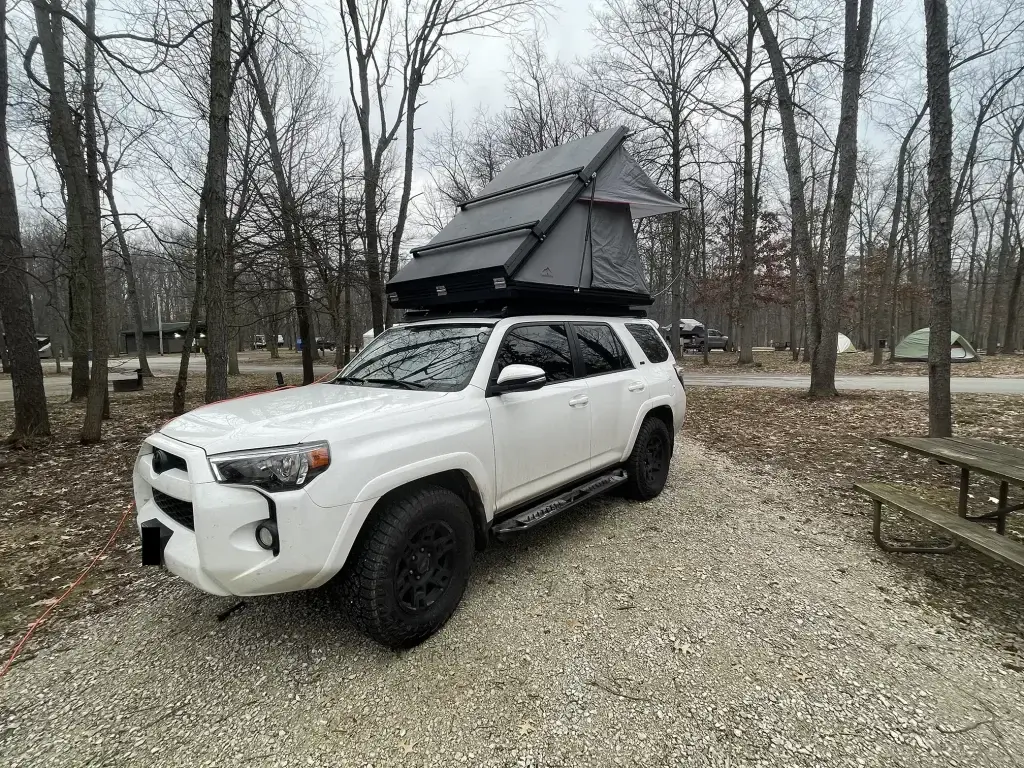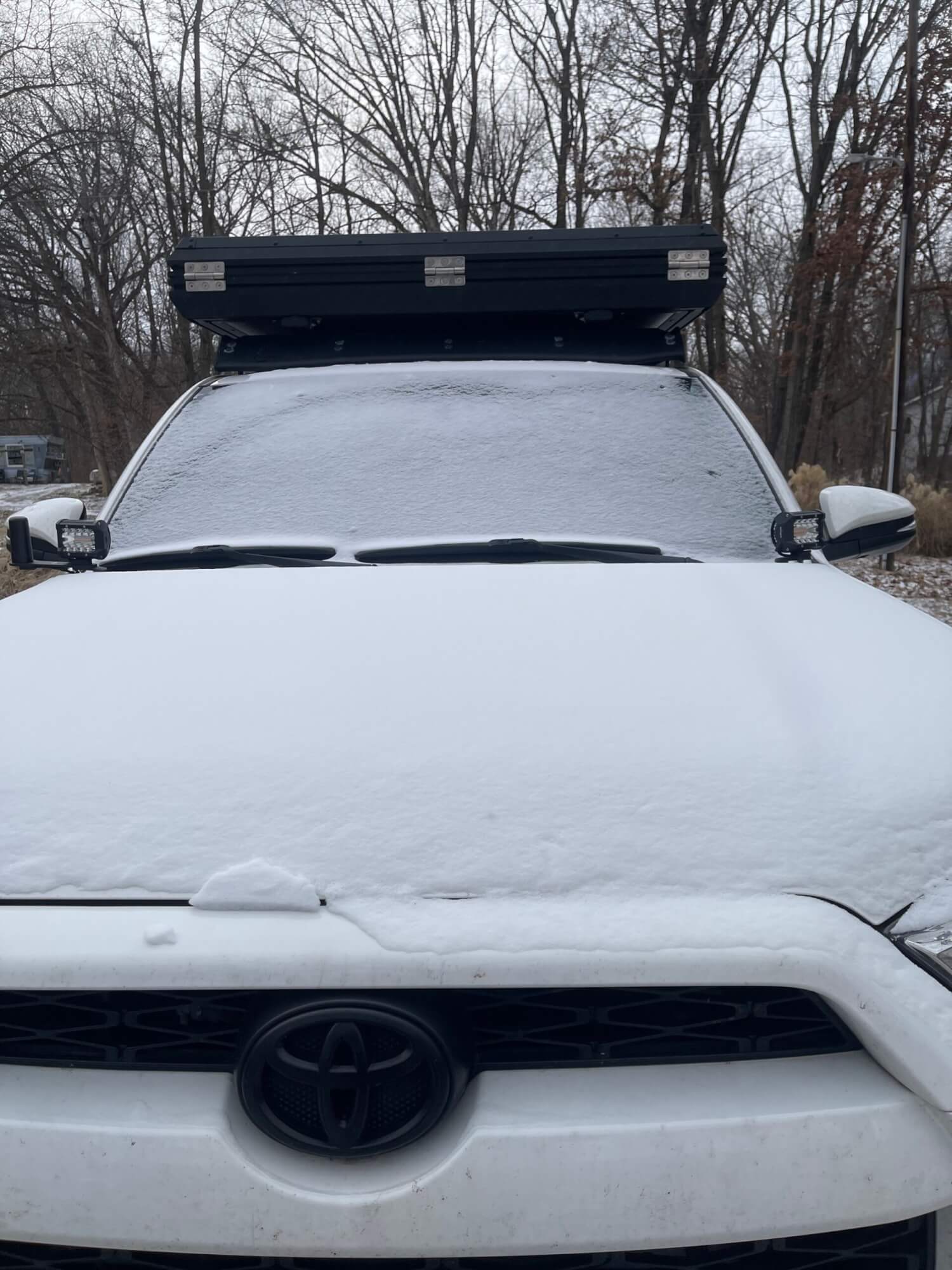
Winter in the Midwest is not subtle. When temperatures drop to negative 40 and stay there for days, every weakness in a vehicle announces itself at the worst possible time. A dead battery in a parking lot at zero degrees, a frozen washer fluid reservoir on a highway, tires that were borderline in October that are now genuinely dangerous in January. Winter vehicle maintenance is not exciting, but it is the kind of thing that keeps a bad day from becoming a much worse one.
These are the checks I make and the things I keep on top of before and during the cold months.
Winter Vehicle Maintenance: What to Check Before It Gets Cold
1. Battery
Cold weather is hard on batteries. The chemical reactions that produce electrical current slow down significantly in low temperatures, which means a battery that starts fine in October may not have enough output to crank the engine in January. A battery that is three or more years old is worth having tested before winter sets in. Most auto parts stores will test it for free. If it is borderline, replace it before you need it rather than after.
A jump pack kept in the vehicle is also worth having. Jumper cables require another vehicle in the right position at the right time. A jump pack works anywhere, anytime. AAA has a solid overview of battery care if you want to go deeper on the specifics.
2. Tires
Tire pressure drops roughly one PSI for every ten degrees of temperature decrease. A tire that was properly inflated in fall can be significantly underinflated by midwinter without you touching it. Check pressure regularly throughout the cold months and keep it at the manufacturer’s recommended level, which is listed on the sticker inside the driver’s door jamb.
If you are in an area that sees significant snow and ice, winter tires make a genuine difference. All-season tires are a compromise, and like most compromises they work acceptably in mild conditions and less acceptably in severe ones. Winter tires use a different rubber compound that stays pliable in cold temperatures and provides substantially better traction on snow and ice, including reduced braking distances. Tire Rack’s winter tire guide is worth reading if you are considering the switch.
3. Fluids
Three fluids matter most in winter. First, engine oil: if you are in an area that sees extreme cold, make sure your oil viscosity is appropriate for low temperatures. Thicker oil takes longer to circulate when the engine is cold, which means less protection during those first critical seconds after startup. Second, antifreeze: check the concentration to make sure it is rated for the lowest temperatures you are likely to see. A 50/50 mix of antifreeze and water protects to around negative 34 degrees Fahrenheit for most products. Third, windshield washer fluid: summer formulas freeze in the reservoir and the lines. Use a winter formula rated well below your coldest expected temperature.
CarCare.org has detailed guidance on fluid checks if you want specifics by fluid type.
4. Wipers and Lights
Wiper blades that smear rather than clean are a problem in rain and a serious visibility issue in freezing rain, sleet, and snow. If your blades are streaking or skipping, replace them before winter. Some people switch to winter-specific blades that have a rubber boot over the frame to prevent ice and snow from packing into the mechanism. They make a noticeable difference in heavy conditions.
Check all lights while you are at it. Winter means more driving in reduced visibility and more hours of darkness. Headlights, brake lights, turn signals, and reverse lights should all be working. A burned-out brake light is not just inconvenient in winter, it is a genuine safety risk when stopping distances are already longer on slick roads.
5. Emergency Kit
Every vehicle should have a basic emergency kit year-round. In winter, the stakes are higher. Being stranded in cold weather with no supplies is a genuinely dangerous situation, not just an inconvenient one. Keep the following in the vehicle throughout the cold months:
- A blanket or sleeping bag rated for cold temperatures
- An extra set of warm clothes and gloves
- A flashlight with fresh batteries
- A small folding shovel
- Sand or kitty litter for traction if you get stuck
- Jumper cables or a jump pack
- Water and snacks
- A basic first aid kit
- An ice scraper and brush
None of this takes up much space and most of it costs very little. The Red Cross emergency kit guidelines are a good reference if you want a more comprehensive list.
6. Regular Check-Ups
Winter has a way of turning small problems into big ones. A slightly leaky hose, a belt that is starting to crack, brakes that were at the lower end of acceptable, a slow coolant leak. Cold temperatures and the stress of winter driving accelerate all of it. Having a mechanic look things over before the worst weather arrives is a lot cheaper than a breakdown in the middle of it.
If you know your vehicle has been putting off a repair, winter is not the season to keep putting it off.
None of this is complicated or expensive, and most of it takes less than an hour to check through before the season hits. A little preparation in fall means the vehicle is ready to go when you are, no matter what the temperature is doing.
For more practical rig tips, check out the Adventure Rig Tips archive, read up on what to do before leaving for any adventure, or take a look at the camping hacks post for more practical outdoor prep.
If you want more practical vehicle and rig prep guides, the Adventure Rig Tips section has more. The cold weather camping series rounds this out: staying warm with the right clothing and staying warm in your sleeping bag cover the rest of the picture. The newsletter is where I share the extra stuff: finds, tips, and things that do not always make it to the blog. Subscribe on Substack if you want to follow along.